Garden Clearance in Vauxhall

We provide garden clearance in Vauxhall for outdoor spaces that need a careful, practical reset. That can mean removing green waste, bagged rubbish, broken pots, old timber, damaged planters and other unwanted outdoor items so the area can be used more easily again. The work is planned around the access, the material types and the finish you want, whether the space is a small yard, a shared rear garden or a larger overgrown plot.
Our garden clearance service is designed to handle mixed contents in a tidy, orderly way. Where possible, recyclable materials are separated from general waste, and reusable items are kept distinct from spoilage or contamination. We focus on clear, straightforward removal rather than unnecessary disruption, and we can shape the work around what is already in place, from light cuttings to heavier outdoor items that need lifting out safely.
If you need a quotation, the simplest next step is to gather a brief list of what is in the garden and note anything awkward to reach. A short description is often enough to begin with, and photos can help where the space is full or layered. For a more accurate price, it is useful to mention access points, steps, side passages, sheds or any items that may need dismantling before removal.
What our garden clearance service can cover
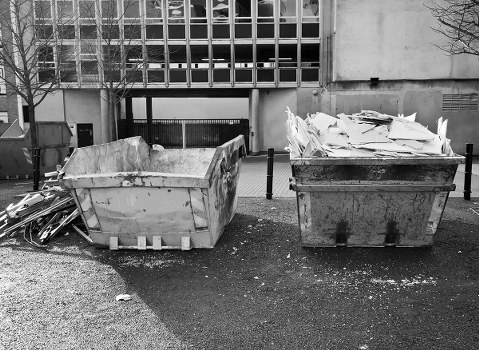
Garden clearances often involve a blend of light and bulky material, so the service needs to be organised rather than rushed. We can remove seasonal cuttings, hedge trimmings, leaves, soil in manageable quantities, branches, broken garden furniture and general outdoor rubbish. Where a garden has been used for storage, we can also clear mixed piles of items that have built up over time, as long as they are safe to handle and within the scope agreed.
Different gardens call for different methods. A tidy front area may only need a quick lift-and-load visit, while a more enclosed rear plot might require sorting, stacking and staged removal. Clear access helps, but access limitations do not automatically stop the job; they simply affect how the work is planned. We aim to keep the process controlled so that paths, lawns, borders and retained items are treated with care.
Typical outdoor items we remove
To help you judge whether the service fits your needs, this kind of clearance commonly includes the following:
- branches, trimmings and plant waste
- old pots, trays and broken containers
- rotted timber, fencing offcuts and small dismantled garden items
- bagged general rubbish from outside storage areas
- damaged outdoor furniture and worn planters
- soil, turf and other mixed garden debris where it can be removed safely
Managing overgrown and untidy gardens
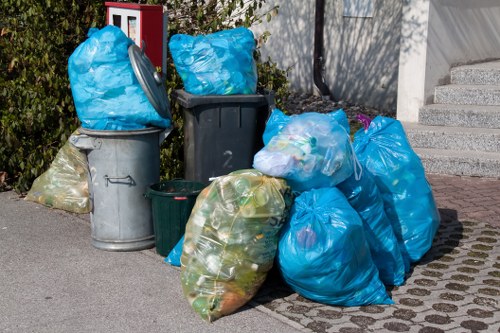
Some gardens need more than a simple collection of loose items. When growth, debris and stored waste have built up together, clearance has to be approached in stages so that the space can be worked through methodically. We can remove accumulated material from sheds, patios, pathways and corners where items have been left for a long time, helping reduce the visual clutter before the garden is used again or handed over to someone else.
Overgrown areas may hide broken fixtures, rusted metal, hidden bags or damp material that has become heavier than expected. That is one reason why quotations are better when the contents are described honestly, even if the garden looks straightforward at first glance. If there are thorny plants, loose boards, sharp edges or unstable stacks, those points are worth mentioning so that the clearance can be organised safely and sensibly from the outset.
Quoted work, access and preparation
A quotation for garden clearance is usually shaped by volume, weight, access and the amount of sorting required. A pile of lightweight clippings is handled differently from mixed waste that includes timber, soil and bulky items, and a narrow side return can affect loading time as much as the amount of material itself. We keep pricing discussions focused on the actual work needed, rather than broad assumptions about how easy or difficult the garden might be.
To help the estimate stay accurate, it is useful to identify any items that may need to be broken down, any locked or shared access points, and whether the clearance needs to happen in one visit or across several areas. If you are arranging the work on behalf of a landlord, tenant, managing agent or homeowner, having a simple inventory can make the request easier to understand. Send enough detail for the scope to be clear, then ask for a quotation based on the actual contents.
Safe handling and responsible disposal

Garden clearance is not only about lifting items out of a space; it is also about deciding what can be separated, what needs special handling and what should be sent onward for appropriate disposal. Outdoor waste can contain plant matter, treated wood, plastics, glass, soil and household debris all in one place, so sorting matters. Our approach is to keep the work orderly and reduce unnecessary mixing of materials during removal.
When a garden contains mixed waste, the condition of the contents influences how they are dealt with. Wet vegetation, contaminated bags and damaged containers may need different treatment from clean trimmings or reusable outdoor fixtures. We aim to work in a way that supports a sensible disposal route, while avoiding overcomplicated steps that do not benefit the customer. That keeps the service practical for routine clearances as well as more awkward outdoor jobs.
Garden items, sheds and outdoor storage
Many garden clearances are really outdoor storage clearances in disguise. Sheds, lean-tos and corners of patios can collect old tools, cracked planters, worn hoses, broken shelving and mixed odds and ends that no longer have a place in the property. Where these items are accessible and agreed in advance, we can include them in the clearance so the garden and the related storage area are dealt with together rather than as separate problems.
It is often helpful to think in terms of zones: the lawn or patio itself, the edges and borders, and any structures such as sheds or bin stores. That approach makes it easier to explain what should go and what should stay. If some items are to remain, it is best to mark those clearly or list them in advance. That avoids confusion and helps the crew concentrate on the exact parts of the space that need clearing.
When a garden clearance becomes a mixed job
Some outdoor clearances overlap with household or garage-type contents, especially where furniture, packaging or stored belongings have drifted outside. In those cases, the scope is confirmed before work begins so that the correct equipment and loading plan are used. If the job involves both garden waste and heavier general items, we can assess the best way to remove everything in a single organised visit rather than treating each material separately without reason.
About Vauxhall
Vauxhall is a district in inner London on the south bank of the River Thames, within the London Borough of Lambeth. The area developed from riverside and industrial land into a busy urban neighbourhood with strong transport links, dense residential streets and a varied mix of nineteenth and twentieth century buildings. Vauxhall Bridge and the railway station have long made it an important crossing and movement point, while the riverside position has shaped its history as a working district connected to the city to the north. The name is widely associated with transport, employment and redevelopment, but the place also has quieter layers that can be seen in its surviving streets and local open spaces.
Why organised clearance helps outdoor spaces

A well-managed garden clearance leaves the area ready for whatever comes next, whether that is maintenance, replanting, simple tidying or a change of use. By removing accumulated waste in a planned way, the space becomes easier to inspect and easier to work on afterwards. That matters when a garden contains hidden debris, damaged items or a mixture of material types that would be awkward to deal with casually. The goal is always to make the clearance tidy, controlled and proportionate to the space.
There are also practical reasons to keep the process deliberate. A garden with compacted or layered waste may need items lifted in a sequence that protects paths and retained features, while a more open space can often be cleared faster once the main piles are identified. If you are comparing ways to manage the work, think about the amount of sorting, the condition of the contents and how much lifting is involved. The right plan depends on the garden in front of you, not on a one-size-fits-all approach.
Making an enquiry for a quotation
When you are ready to ask for a quotation, keep the request simple and specific. Say what sort of garden it is, describe the main materials present and mention any access details that could affect loading. If the clearance includes branches, bags, broken garden furniture or storage items, list those separately where possible. That helps us understand the scope quickly and keeps the discussion focused on the actual work needed rather than broad assumptions.
For larger or more cluttered spaces, a short note about boundaries, steps, shared entrances or restrictions on vehicle access can be especially useful. If you are arranging the job for a property sale, tenancy change or general tidy-up, it is also worth saying whether anything is fragile, fixed or to be retained. You can then ask for a quotation in plain terms and decide whether the service matches your plan.
When you would like to move forward, request your quotation and share the details that matter most. If you need a clear, practical garden clearance in Vauxhall, that is the best place to start.
Common garden clearance choices
Customers often decide on garden clearance by weighing how much of the space should be emptied versus simply tidied. Some want all loose material removed, while others only need certain sections cleared so that remaining features can stay in place. The service can be adapted to that decision, as long as the scope is described clearly. That flexibility is useful in gardens with layered use, where storage, planting and access all share the same area.
It can also help to decide whether the job should focus on visible waste only, or on the full depth of the clutter in hard-to-see corners. A careful description avoids wasted effort and makes sure the right amount of labour is allocated. If you are unsure how much should go, it is reasonable to start with the obvious items and then extend the request if the rest of the space needs attention too. Clarity at the start usually leads to a smoother clearance.