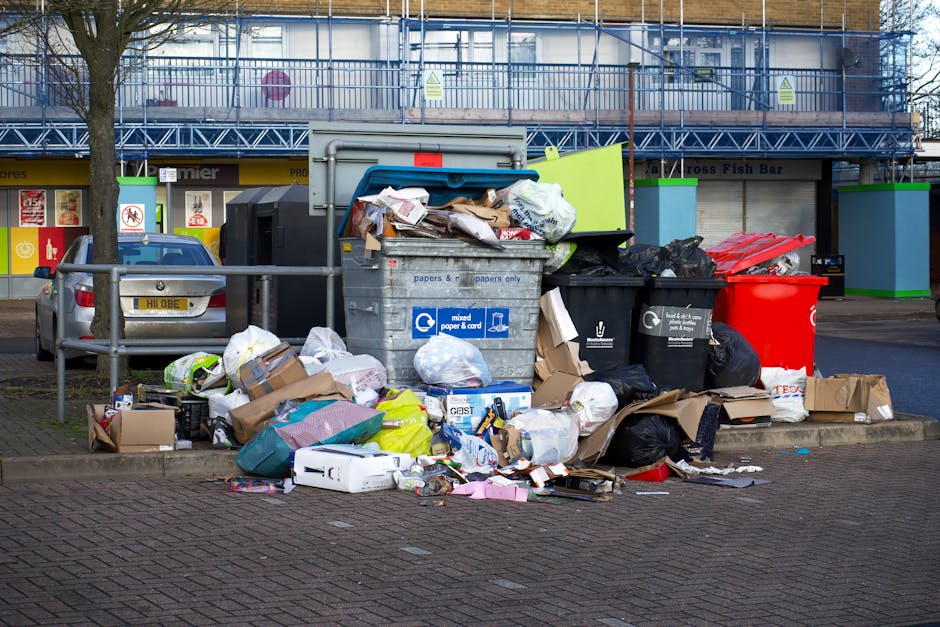
Vauxhall Station rubbish removal guide for fast pickups
If you need rubbish gone quickly around Vauxhall Station, you probably do not want a long, messy process. You want the space cleared, the bags lifted, and the job done without drama. This Vauxhall Station rubbish removal guide for fast pickups is here to help you do exactly that. Whether it is a few awkward bin bags after a flat clear-out, builders' debris from a small renovation, or a sofa that has been sitting by the wall for far too long, the fastest route is usually the one that is planned properly from the start.
In busy parts of London, speed is not just about turning up quickly. It is about access, timing, loading safely, and knowing what can be taken in one visit. The difference between a smooth pickup and a frustrating wait often comes down to a few simple decisions made before anyone arrives. Let's get into the practical stuff.
Table of Contents
- Why fast rubbish removal near Vauxhall Station matters
- How fast pickups usually work
- Key benefits and practical advantages
- Who this is for and when it makes sense
- Step-by-step guidance
- Expert tips for better results
- Common mistakes to avoid
- Tools, resources and recommendations
- Law, compliance, standards and best practice
- Options, methods and comparison table
- Case study or real-world example
- Practical checklist
- Conclusion
- Frequently asked questions
Why Vauxhall Station rubbish removal guide for fast pickups Matters
Vauxhall Station is a hectic place. People are moving through the area all day, deliveries are coming and going, and many nearby homes and businesses have limited space outside. That makes rubbish removal a bit more delicate than a standard suburban clear-out. If waste is left in the wrong place, it can block footpaths, create complaints from neighbours, and attract the wrong sort of attention. Not ideal. Not even close.
Fast pickups matter for another reason too: rubbish has a habit of growing. One pile becomes two. A few broken shelves turn into a corner full of mixed waste. If you are managing a flat, office, rental property, or refurbishment near the station, quick action keeps the job contained. It also helps reduce the time your home or business looks cluttered, which honestly makes a bigger difference than people expect.
For a lot of readers, this topic is really about time, access, and peace of mind. You want the rubbish gone, but you also want to know it is handled properly. If that is your situation, a good starting point is understanding the wider service options on the site, including general waste removal and more specific help such as home clearance or office clearance when the load is bigger than a few bags.
How Vauxhall Station rubbish removal guide for fast pickups Works
Fast rubbish pickup is usually straightforward, but the details matter. Most jobs follow a simple sequence: you explain what needs removing, the load is assessed, a collection window is arranged, and the waste is taken away. The real speed comes from giving clear information upfront. If a team knows the type of waste, the volume, the access situation, and whether there are heavy items, they can plan the right vehicle and crew.
That is the bit many people miss. A quick pickup is rarely quick by accident. It is quick because someone has already thought through the awkward parts. Can the vehicle stop nearby? Is there a lift, a staircase, or only a narrow hallway? Are there items that need dismantling? Are there mixed materials, like old furniture plus builders' rubble? These little questions save time later.
For example, a small flat clearance near Vauxhall Station may only need one team, one van, and a short loading time. But a property with loft clutter, an old mattress, and bags from a recent refurb might need a more structured approach. In that case, it can help to look at related services such as flat clearance, loft clearance, or builders waste clearance depending on what is actually there.
Truth be told, the cleaner your brief, the faster the pickup.
Key Benefits and Practical Advantages
Fast rubbish removal is not only about convenience. There are a few very practical upsides that show up immediately once the waste starts moving out of the way.
- Less disruption: A short, organised collection is easier on neighbours, tenants, staff, and visitors.
- Safer access: Removing loose waste reduces trip hazards, blocked corridors, and unstable piles.
- Better presentation: If you are preparing a property for sale, letting, or handover, a clean space always feels more ready.
- More usable room: That spare bedroom, storage area, or office corner suddenly becomes useful again.
- Less stress: You stop thinking about the mess. Simple as that.
There is also a quiet financial benefit. The longer waste sits around, the more likely it is to create secondary problems: missed deadlines, extra labour, avoidable damages, or even a second trip because the first one was not planned well enough. A fast, well-organised pickup can prevent that chain reaction.
If sustainability matters to you, it is worth choosing a provider that can explain recycling routes in plain English. The page on recycling and sustainability is useful context if you want to understand how waste can be sorted with less going to landfill where possible.
Expert summary: The fastest rubbish removal jobs are usually the ones where the customer shares clear photos, names the waste type honestly, and makes access easy on the day. Small effort upfront, big payoff later.
Who This Is For and When It Makes Sense
This guide is useful for a lot of people around Vauxhall Station, but the strongest fit is usually one of these situations:
- Tenants or landlords dealing with leftover rubbish between occupancies
- Flat owners clearing bulky waste after a move
- Offices needing old desks, chairs, or filing materials removed quickly
- Homeowners clearing garage, loft, or general household clutter
- Tradespeople with leftover construction waste after a small job
- Shops or local businesses that need an orderly pickup without interrupting trading hours
It also makes sense when you have something bulky or awkward that council collections may not take quickly, or when you simply do not have time to sort and transport waste yourself. Let's face it, very few people in central London have the luxury of spending a Saturday afternoon loading a van and hunting for a disposal site.
If your situation is a full property clear-out, you may want a more complete service such as house clearance or furniture disposal. If it is more about reusable items or mixed contents, furniture clearance is often the more natural fit.
Step-by-Step Guidance
Here is the simplest way to get a fast pickup without unnecessary back-and-forth.
- Sort the waste into broad groups. Keep furniture, bagged rubbish, green waste, and building debris separate if you can. Even a rough split helps.
- Take a few clear photos. A wide shot and one close-up of the awkward items usually does the trick.
- Measure the bulky stuff. No need to be surgical. Just note approximate size for sofas, wardrobes, mattresses, or panels.
- Check access. Mention stairs, lifts, tight hallways, restricted parking, or any loading challenges near the station.
- Be honest about the weight and type. Mixed waste is common, but it should be described clearly.
- Choose a time window that suits the area. Early pickups can be easier if the street is busy later in the day. Mid-morning often works well.
- Clear a route to the waste. If the crew can get in and out smoothly, the job usually moves much faster.
- Confirm what happens after collection. Good operators should be able to explain how waste is handled and sorted.
A small real-world example: if you are clearing a one-bedroom flat and the stairwell is narrow, moving the items to the hallway before the crew arrives can shave real time off the visit. It sounds obvious, but people often leave everything in the back room and then wonder why the job takes longer. We have all done similar things under pressure. It happens.
Quick checklist before pickup day
- Waste grouped and visible
- Bulky items measured roughly
- Access route clear
- Parking or stopping point thought through
- Valuables removed from the area
- Pets kept safely away
- Questions about recycling or disposal asked in advance
Expert Tips for Better Results
If you want the pickup to go faster, a few habits make a big difference. First, send photos that show the whole pile, not just the top layer. A tidy-looking stack can hide far more waste behind it. Second, say whether the job includes lifting from upstairs, basement areas, or awkward communal entrances. That helps avoid delay when the crew arrives.
Another tip: if there are items that might be reused or separated, tell the provider before collection. That allows the load to be planned properly. It is not just a nice touch; it can also prevent avoidable sorting on site. In some jobs, separating a few reusable pieces from true rubbish keeps the overall pickup cleaner and more efficient.
For businesses, timing is everything. An office collection before opening hours or after the lunch rush can be smoother than trying to do everything at peak footfall. For homes, a quieter weekday slot often works better than a busy Friday evening when everyone in the building seems to be arriving with shopping bags, parcels, and somewhere to be.
And one more thing. Keep the path clear to the main exit. It sounds minor, but a hallway full of shoes, coats, prams, or stacked boxes can slow things down more than you would think. Small obstacle, big annoyance.
Common Mistakes to Avoid
Most delays in fast rubbish removal are avoidable. These are the usual culprits:
- Being vague about the load: "Just a few bits" can mean very different things to different people.
- Hiding waste in another room: If the crew cannot see it, they cannot plan for it.
- Forgetting access restrictions: Vauxhall streets and nearby buildings can have awkward loading realities.
- Mixing prohibited or hazardous items with general waste: This can create safety and compliance issues.
- Assuming everything will fit in one vehicle: A quick pickup depends on the right planning.
- Leaving the booking until the last minute: If the job is urgent, say so early.
One slightly embarrassing but common mistake is forgetting about the lift. The lift is out of service, of course, and suddenly the job becomes a stair carry. Nobody loves that surprise. Not the team, not the customer, not the person who thought "it'll be fine".
If the waste includes awkward household items, compare the service to the right type of clearance. A dedicated garage clearance may be better than a general pickup if the pile is mixed with tools, old boxes, and random storage clutter. That kind of match-up saves time and avoids confusion.
Tools, Resources and Recommendations
You do not need specialist equipment for every job, but a few simple tools help a lot.
- Phone camera: Good photos help with assessment and timing.
- Tape measure: Useful for bulky items and access gaps.
- Marker labels: Handy if you want to separate keep, donate, and remove piles.
- Strong bags or boxes: Especially useful for smaller mixed waste that is easy to carry.
- Basic protective gear: Gloves and sturdy footwear are worth having if you are moving items yourself.
As a recommendation, keep your own brief short but specific. Something like: "Two mattresses, one wardrobe, eight bags of general waste, first-floor flat, narrow stairs, parking available for a short stop" is far better than a long ramble. Clear, concise, useful. That is what gets the fastest response.
If your job sits somewhere between domestic and commercial waste, the broader business waste removal page may also be helpful for understanding how recurring or workplace waste can be handled. For more general guidance, waste removal is a good hub for the bigger picture.
Law, Compliance, Standards and Best Practice
Waste removal in the UK is not something to treat casually. You do not need to become a compliance expert, but it is sensible to understand the basics. Waste should be collected, transported, and handled by people who know what they are doing, and some waste types need extra care. That includes electrical items, certain building waste, and anything that may be hazardous.
From a best-practice point of view, the main things to look for are simple: clear communication, safe manual handling, sensible vehicle loading, and responsible sorting where possible. If you are booking removal for a property, especially one with tenants or customers, it is worth asking how the waste is managed after pickup. A professional answer should not feel evasive or vague.
For your own safety, do not over-lift, rush heavy items down stairs, or leave sharp debris loose in a communal space. If something feels awkward or risky, say so. A good team would rather know in advance than deal with a problem halfway through the job. That is not fussiness; that is common sense.
If you want to understand the company's own commitments around safety and trust, the pages on health and safety policy and insurance and safety are worth a look. They help set expectations in a plain, practical way.
Options, Methods and Comparison Table
Not every rubbish problem needs the same solution. Here is a straightforward comparison to help you choose the right route.
| Method | Best for | Speed | Effort from you | Notes |
|---|---|---|---|---|
| Self-loading and disposal | Very small, light loads | Can be slow | High | Good only if you already have transport and time |
| Local collection service | Simple household rubbish | Moderate | Medium | May be less flexible for bulky or mixed waste |
| Dedicated rubbish removal pickup | Bulky, mixed, or urgent waste | Fast | Low | Often the best balance for busy Vauxhall locations |
| Specialist clearance service | Full rooms, flats, garages, lofts, offices | Fast to very fast | Low | Useful when the job is more than basic rubbish |
In practice, the best option depends on the amount, access, and urgency. A single chair and a few bags may not need much. A full office tidy-up before a lease handback is a different animal altogether. For bigger or more structured jobs, it may make more sense to use a targeted service such as office clearance or, for home contents, home clearance.
Case Study or Real-World Example
Here is a realistic scenario. A couple in a second-floor flat near Vauxhall Station had been renovating one room at a time. By the end, they had a stack of broken shelving, old carpet strips, packaging, and two heavy chairs that had somehow become part of the problem rather than the solution. The hallway was narrow, the stairs were shared, and they needed the rubbish removed before a viewing later that week.
They sent clear photos, mentioned the stairs, and grouped the waste as best they could. That made the visit much easier to plan. On the day, the pickup stayed tight and organised because the access had been explained properly. No wandering around. No guesswork. Just load, sweep up, and away. That is the kind of job people wish they had handled sooner.
The important lesson is simple: fast pickup is often the result of good preparation, not luck. A messy situation can still be cleared quickly if the information is clear and the waste is ready to go. Small job, smart setup.
Practical Checklist
Use this checklist before booking or on the morning of collection.
- Have I identified the waste type clearly?
- Have I taken photos from a few angles?
- Do I know which items are bulky, heavy, or awkward?
- Have I checked access, parking, and stairs?
- Have I removed anything I want to keep?
- Is the route to the waste clear?
- Do I need a broader service such as furniture, flat, loft, garage, or office clearance?
- Have I asked how the waste will be handled after collection?
- Am I ready for the pickup window without last-minute reshuffling?
If the answer to most of those is yes, you are in a strong position for a fast, smooth collection. If not, do a quick reset. It may feel like a faff for ten minutes, but it usually saves far more time than it costs.
Conclusion
Fast rubbish removal near Vauxhall Station is less about rushing and more about being ready. When the waste is described properly, access is considered, and the right kind of service is chosen, the whole process becomes calmer and much quicker. That matters in a busy part of London where space is tight and time is always at a premium.
Whether you are clearing a flat, sorting out office clutter, dealing with furniture, or just getting a pile of general rubbish off your floor, the same rule applies: make the job easy to understand, and it becomes easier to complete. Simple, really. And a bit of structure goes a long way.
Get a free quote today and see how much you can save.
For the best results, it also helps to review the company's approach to pricing and quotes before you book, so you know what to expect and can move ahead with confidence.
Frequently Asked Questions
How fast can rubbish be picked up near Vauxhall Station?
It depends on the size of the load, access, and how clearly the waste is described. Small, well-prepared jobs can often be arranged quickly, while larger or mixed loads may need more planning.
What should I do before a fast rubbish collection?
Sort the waste into broad groups, take photos, clear access routes, and make sure bulky items are easy to see. A few minutes of preparation can save a lot of time.
Can you remove furniture and general rubbish together?
Yes, in many cases mixed loads are possible, but it is better to tell the provider in advance. That helps the team plan the right vehicle and avoid delays on the day.
Is this the same as a house clearance?
Not always. Rubbish removal usually refers to waste, bulky items, and mixed unwanted materials. A house clearance is broader and may involve more of the property's contents.
What if I live in a flat with narrow stairs?
That is very common around central London. Just mention it early, along with any lift restrictions or access issues, so the pickup can be planned properly.
Do I need to separate recyclables myself?
Not necessarily, but separating obvious materials can help. If you are unsure, keep things grouped and ask how the waste will be sorted after collection.
Is office waste different from home rubbish?
Often, yes. Office waste may include desks, chairs, filing materials, packaging, and other mixed items. If you are clearing work premises, an office clearance service may be more suitable.
What kind of jobs suit rubbish removal best?
It works well for bulky waste, bagged rubbish, old furniture, light renovation debris, garage clutter, and urgent clear-outs where speed matters.
How can I make the pickup quicker on the day?
Keep the route clear, stack items neatly if safe to do so, have the waste ready, and avoid last-minute moving around. A smooth access path is a huge help.
What if I have builders' waste?
Builders' waste often needs more careful handling because it can be heavy and dusty. A targeted builders waste clearance option is usually the better fit than a general pickup.
Should I ask about safety and insurance?
Yes, especially for heavier or awkward items. It is sensible to understand how the work is carried out and how safety is managed before the crew arrives.
Can rubbish removal help with a garage or loft full of clutter?
Absolutely. Those spaces often contain mixed waste, old storage items, and bulky pieces that are awkward to move yourself. A garage clearance or loft clearance can be a better match than a general collection.
Sometimes the quickest solution is simply the one that has been thought through properly. That little bit of preparation makes the whole thing feel lighter, and honestly, that is half the battle.